AutoPro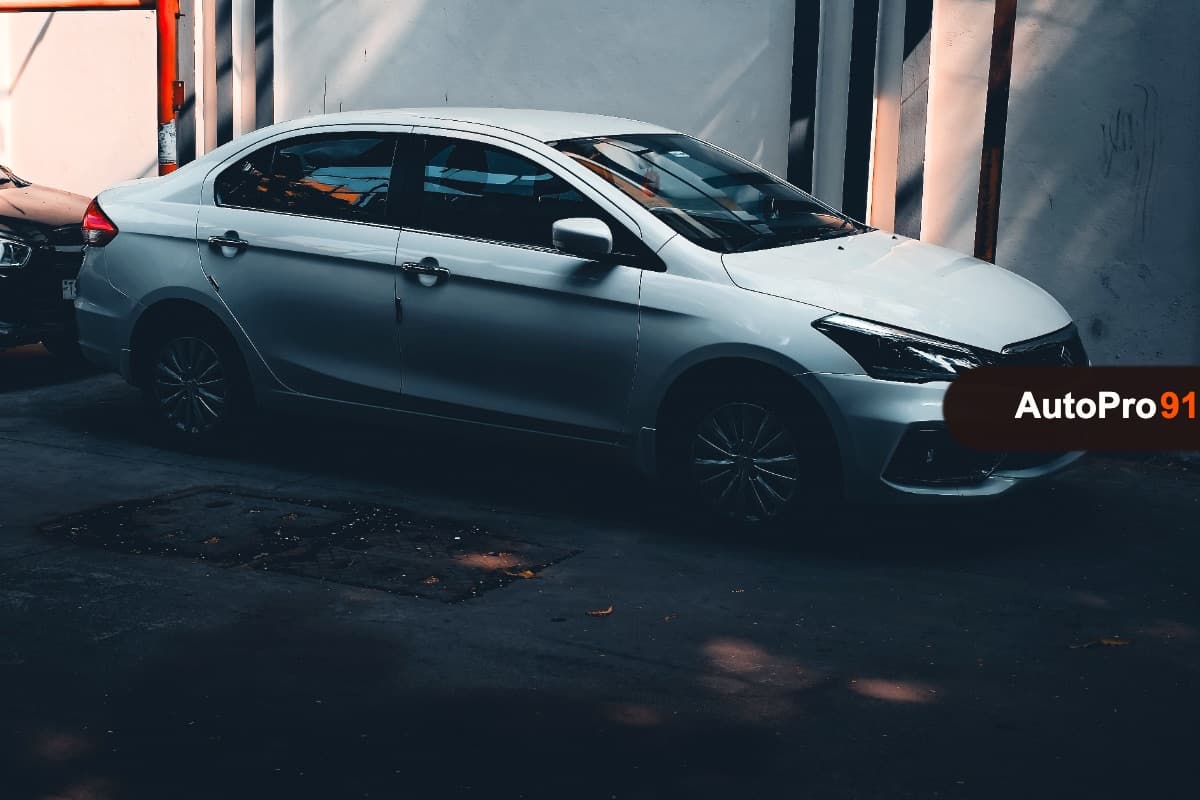
A buyer forms an opinion of your lot from eight photographs on a phone screen. Not from the write-up, and certainly not from the price. The good news is that a decent set takes ten minutes and needs nothing you do not already own.
Light and background do most of the work
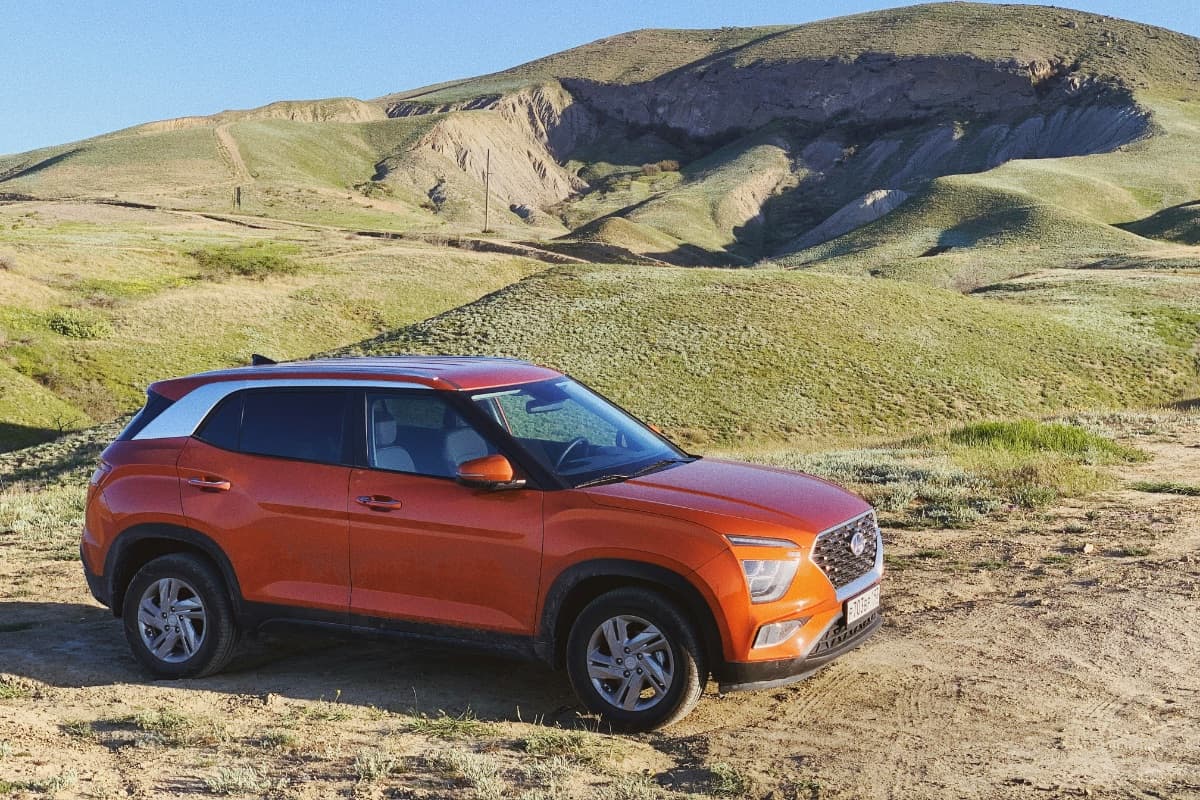
Shoot early morning or the last hour before sunset. Midday sun blows out the paint and fills the panels with hard shadow. Overcast is fine, often better.
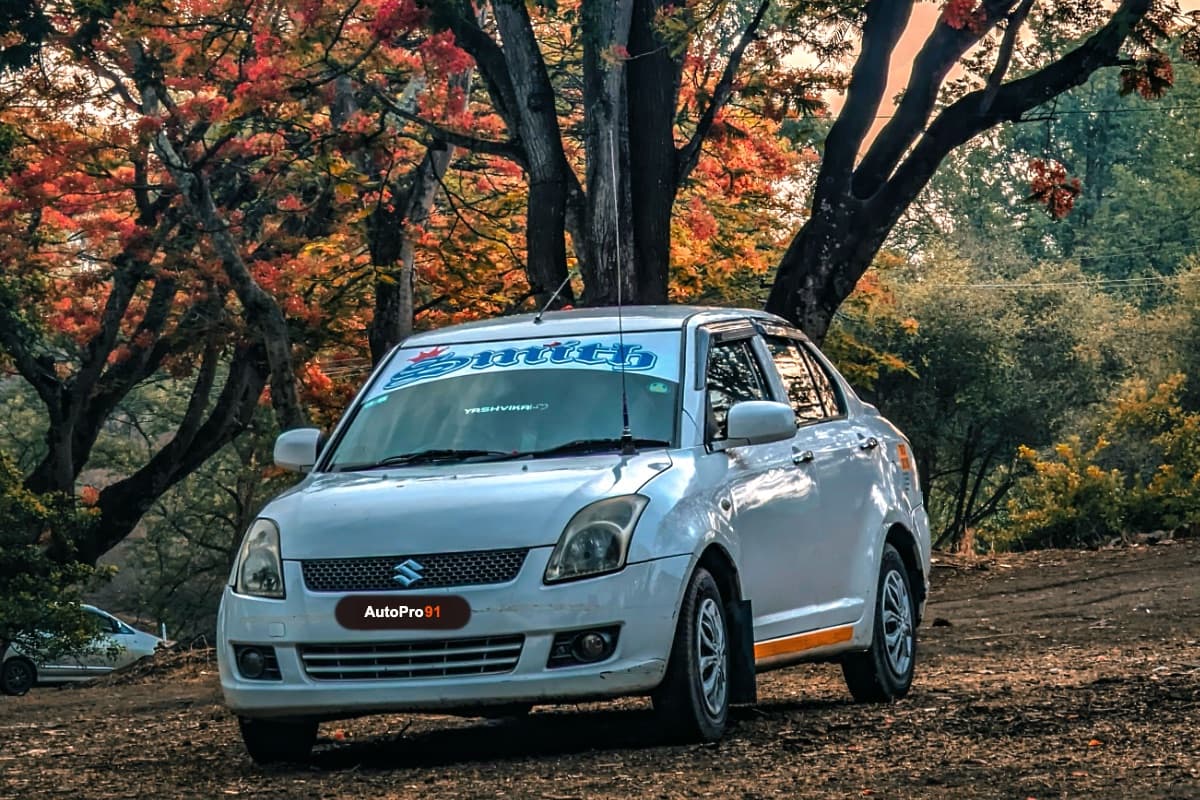
Move the car so the background is plain: a wall, a shutter, an empty stretch of yard. Other vehicles, staff, bins and cables in frame make a professional lot look like a driveway sale. Wash the car. It sounds obvious and half of listings ignore it.
The eight shots
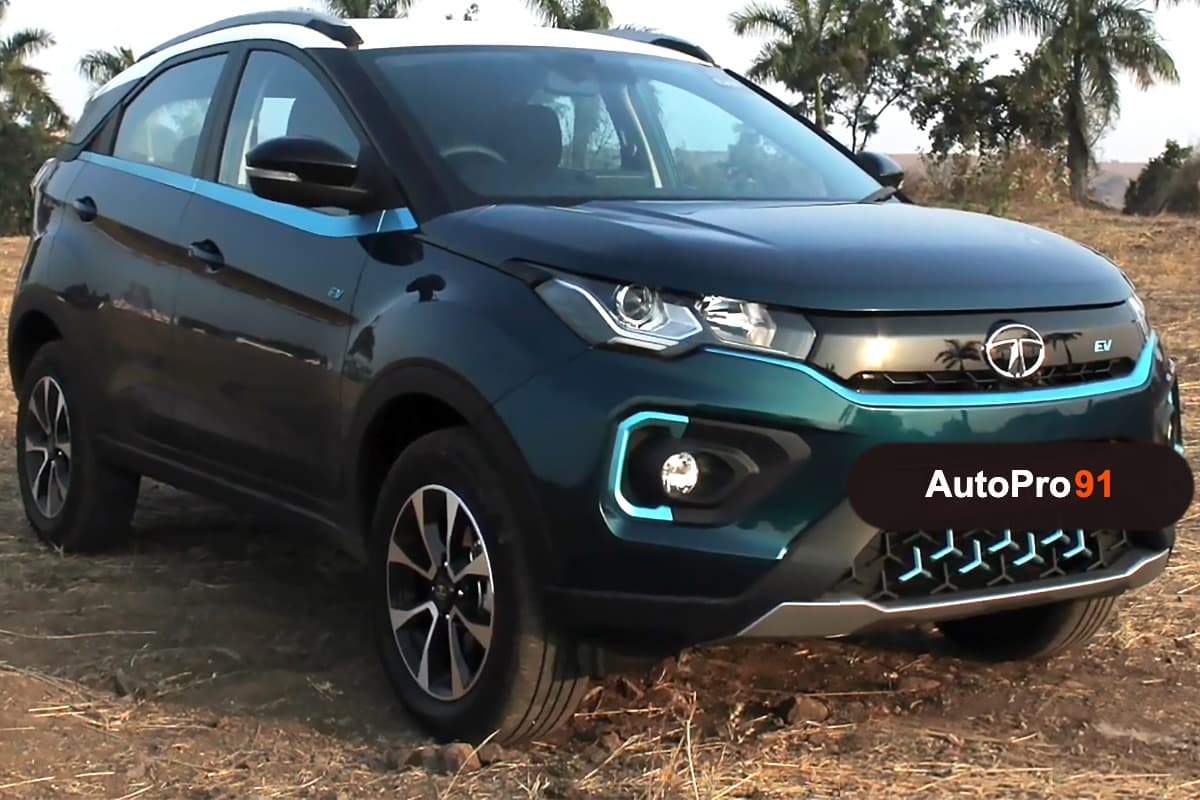
- Front three-quarter, from the driver's side, camera at roughly headlight height
- Rear three-quarter from the opposite corner
- Straight side profile, whole car in frame, wheels straight
- Interior from the rear door, showing both front seats and the dashboard
- Dashboard with the odometer readable, engine on
- Boot, empty and clean
- Engine bay
- One wheel and tyre, showing tread
Crouch slightly. Photographs taken from standing height make every car look smaller and cheaper than it is.
Photograph the damage too
A close shot of the scratch on the rear bumper does not cost you the sale. It filters out the buyer who would have walked away on arrival, and it buys credibility with the one who turns up anyway. The dealers who hide damage in photographs spend their afternoons on wasted viewings.
Be consistent across the lot
The same eight angles, the same order, on every car. A buyer scrolling your stock should feel like they are looking at one dealership rather than twelve different sellers. Consistency reads as competence, and it takes no longer than shooting at random.
Keep them with the car
Photographs scattered across a phone gallery are lost within a month. Kept against the vehicle's record, they are ready the moment somebody asks, and they go out on the buyer card without you hunting for them.